
Bipin Joshi – A Story Nepal Must Not Forget
Shivanee Thapa Basnyat
(Op-Ed)
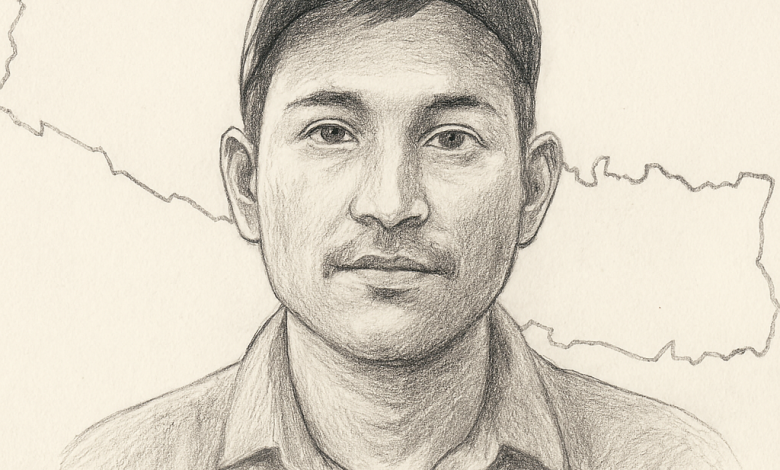
When news broke that Bipin Joshi, the 22-year-old Nepali student who was abducted by Hamas during the October 7, 2023 attack in southern Israel, was no longer alive, Kathmandu fell silent.
It was not shocking this time, but a quiet pause of acceptance. After nearly two years of uncertainty, official appeals, and cautious hope, the truth arrived- final, heavy, and heartbreaking.
Joshi, originally from Kanchanpur, had gone to Israel through the “Learn and Earn” program, an agriculture training program that enables returnees to boost productivity in Nepal’s Agriculture sector.
That October morning, he was working at Kibbutz Alumim, close to Gaza, when the assault unfolded. Ten other Nepali students were killed. Joshi was taken hostage together with a Thai co-worker; only the latter made it home.
For almost two years, his fate remained uncertain. Occasional intelligence briefings hinted that he might still be alive, but no proof or contact ever followed. His family travelled to Israel seeking answers.
Nepal’s foreign ministry issued statements and appeals, yet none brought closure.
Then, on October 13, 2025, during a cease-fire, Israeli officials informed Nepal that Joshi was feared dead. Hours later, Hamas announced that his remains were among four bodies in its custody.
Soon after, in coordination with the International Committee of the Red Cross ICRC, the bodies, including Joshi’s, were formally handed over. The news stirred a brief rumble across social media that of sorrow, disbelief, and quiet anger before the feeds settles again into silence.
Joshi’s story captures the helplessness of civilians trapped in conflicts they never chose. He was not a combatant or political actor, only a student pursuing opportunity abroad. Yet, for two years, no diplomatic channel could bring him home.
Nepal’s Learning/ Diplomatic Void
For Nepal, his case exposes the limits of a small nation’s diplomatic reach.
Talks that involved Israel, Qatar, Egypt and UN mediators offered little space for Nepal to influence the outcome. While these countries were trying to hammer out a cease-fire deal that affected the future of the region, Nepal’s desperate search for Bipin seemingly would not make the agenda.
“Neutrality keeps Nepal balanced on world affairs, but in crises like this, it also reveals its limits. With no strong leverage or presence in conflict mediation, Kathmandu was left to wait and watch.”
Could more have been done? Perhaps.
A louder, sustained campaign might have kept Joshi’s case visible. Closer coordination with humanitarian agencies or assertive use of Nepal’s UN platforms might have added momentum. But in conflicts driven by ideology and non-state forces, even powerful countries often struggle to secure hostages.
This tragedy raises a broader question about the safety of thousands of Nepalis working or studying overseas, often in unstable regions.Nepal’s systems for emergency response from tracking citizens to planning evacuations, remain under-equipped for a world of rapid mobility.
As the country’s global presence expands, its capacity to protect its people abroad must evolve just as fast. Bipin Joshi’s chapter has ended. But the silence around his story should not. It should compel Nepal to strengthen the way it safeguards its citizens and asserts its voice on the international stage.
His name may fade away from headlines, but for Nepal’s diplomacy, it shouldn’t.


Comments