
Nepal Records Highest Temperature in 30 Years
Sabika Shrestha
Climate change affecting our daily life including the environment and weather is no more a secret.
While countries are reporting record high temperatures, Nepal is also bearing gamut of problems.
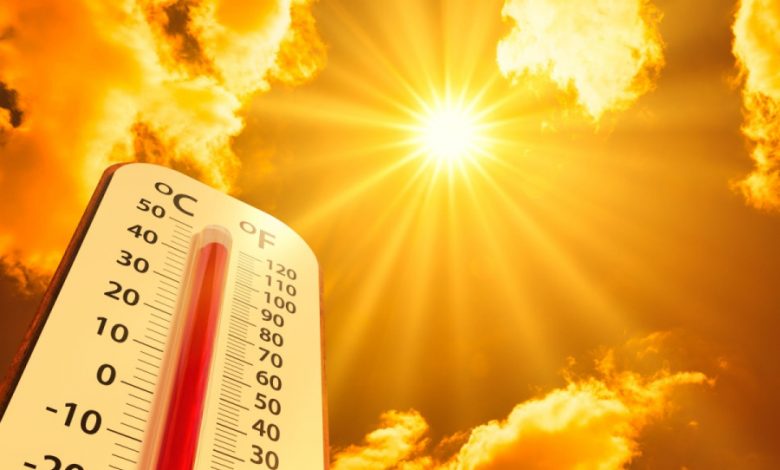
Experts have started discussing the possible impact of rising temperatures, heatwaves, and their potential impact on public health, agriculture, water resources, and daily life.
The experts who fear worse days ahead have advised wearing loose-fitting and light-colored clothing, use umbrellas, hats, or sunglasses when going outdoors.
Also keep indoor spaces cool and well-ventilated, and avoiding leaving home unless absolutely necessary to avoid the extreme heat.
To reduce the impact of on agriculture, experts recommended cultivating heat-tolerant crops and crop varieties, providing shade for plants, using organic manure to improve soil health, and developing water conservation and storage systems.
For the livestock sector, they suggested ensuring animals have access to sufficient drinking water, cool and shaded areas, and facilities such as ponds or water baths to help them cope with the heat.
Participants also stressed the importance of regularly following weather forecasts and official warnings and planning agricultural activities accordingly to minimize losses caused by high temperatures and heatwaves.
The Department of Hydrology and Meteorology that organized the program is also adopting new measures to forecast and disseminate information in advance.
It is carrying out risk and hazard assessments, identifying and classifying potential impacts, preparing weather forecasts, determining the severity of expected impacts, issuing warnings, and disseminating timely information.
The department further explained that its impact-based forecasting system not only predicts weather conditions but also assesses their likely effects on people’s lives, enabling relevant agencies to make necessary preparations in advance.
Meteorologist Sanjib Adhikari of the Department of Hydrology and Meteorology (DHM) said, “To determine whether temperatures are above or below normal, the DHM uses a 30-year climatological average as the baseline.
Since normal values differ from one weather station and location to another, the average for a specific place can be checked on the department’s website, where the data are regularly updated. Records also show that most of the hottest years ever recorded globally have occurred within the past decade.”
The workshop is expected to strengthen coordination among stakeholder agencies involved in managing heat-related disasters, improve the effectiveness of early warning systems, and contribute to reducing damage caused by extreme heat.




Comments